
Unlocking the World of Painting: A Beginner’s Guide to Painting Techniques for Starters
Imagine holding a brush, poised to create something beautiful, but unsure where to start. What if you had a beginner’s guide to painting techniques for starters that could unlock your artistic potential? With the right techniques and materials, you can turn your creativity into stunning works of art. In this comprehensive guide, we’ll walk you through the essential painting techniques, materials, and best practices to get you started on your artistic journey.
What You Need to Start Painting
Essential Painting Supplies
To get started, you’ll need a few basic supplies, including canvases, easels, and palettes. Investing in quality supplies will ensure durability and performance, and a dedicated space for painting will foster creativity and productivity. For example, having a comfortable and well-lit workspace can make all the difference in your painting experience. What’s your favorite painting supply, and how do you like to organize your workspace?
When it comes to investing in quality supplies, consider the story of a professional artist who swears by a particular brand of paint. This brand offers a wide range of colors and finishes, making it perfect for experimenting with different techniques. As you start building your collection of painting supplies, remember that it’s all about finding what works best for you and your unique style.
Choosing the Right Paint
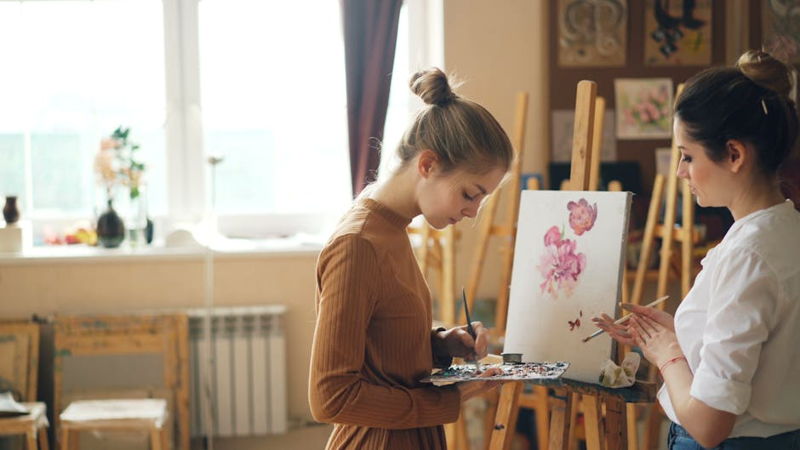
With so many types of paint available, it can be overwhelming to choose the right one. Acrylic, oil, and watercolor paints each have their unique characteristics, advantages, and challenges. For instance, acrylic paint is known for its fast-drying properties and versatility, while oil paint is prized for its blending capabilities and rich, vibrant colors. According to a survey, acrylic paint is the most popular choice among beginners, with over 70% of respondents citing its ease of use and cleanup. What type of paint are you most interested in working with, and what projects do you hope to create?
As you explore the world of paint, you’ll discover that each type has its own distinct personality. For example, oil paint is often associated with traditional techniques and timeless masterpieces, while acrylic paint is perfect for modern, experimental works. When selecting the right paint for your project, consider the advice of an experienced artist who recommends experimenting with different types to find what works best for you. Don’t be afraid to try new things and make mistakes – it’s all part of the creative process!
Selecting Brushes and Tools
Choosing the right brushes and tools can make a significant difference in your painting experience. Natural, synthetic, and blended brushes each have their ideal uses, and having a range of brush sizes and shapes is essential for achieving different techniques and effects. For instance, a flat brush is perfect for broad strokes and bold colors, while a round brush is ideal for delicate details and intricate work. What’s your favorite brush, and how do you like to use it in your paintings?
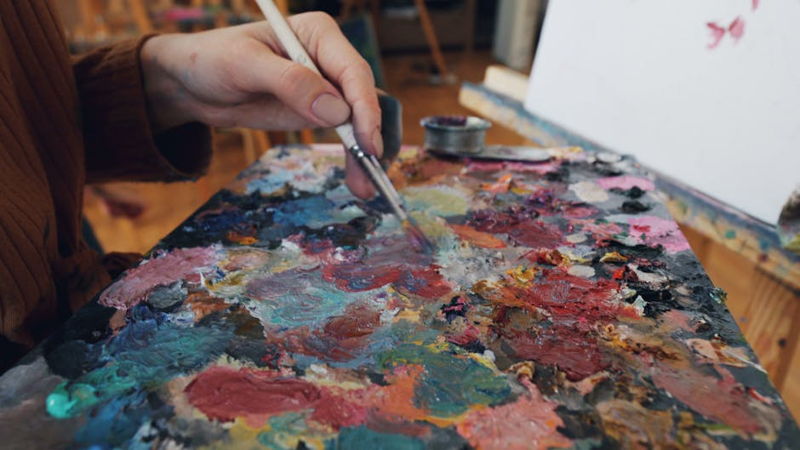
As you explore the world of brushes and tools, you’ll discover that each one has its own unique character. For example, a palette knife can be used to mix colors and create smooth, blended textures, while a sponge can add unique, organic patterns to your work. Remember, the key to mastering different techniques is to experiment and have fun – don’t be afraid to try new things and see what happens!
Beginner’s Guide to Painting Techniques for Starters
Why Techniques Matter
Mastering basic painting techniques is essential for building confidence and improving your overall skills. With practice and dedication, you can develop a strong foundation in color, composition, and brushwork. For example, learning to mix colors and create harmonious palettes can elevate your paintings from ordinary to extraordinary. What’s your favorite painting technique, and how do you like to incorporate it into your work?
As you delve into the world of painting techniques, you’ll discover that each one has its own unique challenges and rewards. For instance, learning to control your brushstrokes and create smooth, even textures can take time and practice, but the results are well worth the effort. Remember, the key to mastering any technique is to be patient, persistent, and kind to yourself – don’t be too hard on yourself if you make mistakes, and always keep a sense of humor and curiosity.
Overview of Basic Approaches
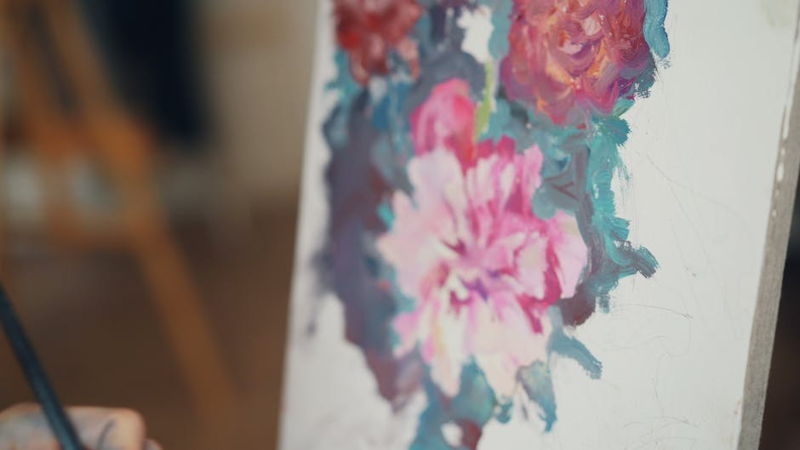
Understanding the fundamentals of color, composition, and brushwork is essential for creating beautiful, engaging paintings. With practice and experimentation, you can develop your own unique style and voice, and bring your artistic vision to life. For example, learning to use color and composition to create mood and atmosphere can add depth and emotion to your paintings, and make them truly unforgettable. What’s your favorite way to use color and composition in your paintings, and how do you like to experiment with different techniques?
As you explore the world of painting, you’ll discover that each technique has its own unique personality and charm. For instance, learning to use brushstrokes and textures to create energy and movement can add a sense of dynamism and excitement to your work, while learning to use glazes and layering to create depth and luminosity can add a sense of richness and complexity. Remember, the key to mastering any technique is to have fun and enjoy the process – don’t be afraid to try new things, and always keep a sense of wonder and curiosity.
Understanding Different Paint Types
Acrylic Paint Basics
Acrylic paint is a versatile and forgiving medium, perfect for beginners and experienced artists alike. With its fast-drying properties and ease of cleanup, acrylic paint is ideal for experimenting with different techniques and styles. For example, learning to use acrylic paint to create bold, vibrant colors and textures can add a sense of energy and excitement to your paintings, and make them truly unforgettable. What’s your favorite way to use acrylic paint, and how do you like to incorporate it into your work?
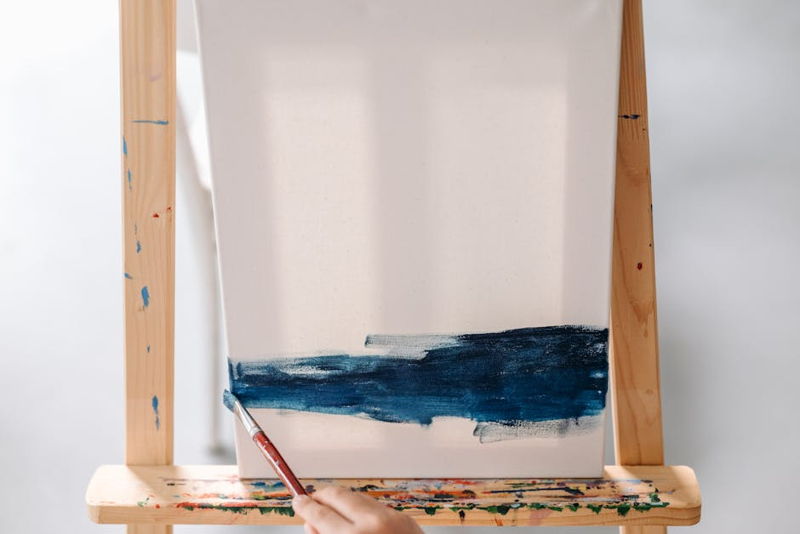
As you explore the world of acrylic paint, you’ll discover that each brand and type has its own unique characteristics and advantages. For instance, some acrylic paints are known for their high pigment load and lightfastness, while others are prized for their ease of use and versatility. Remember, the key to mastering acrylic paint is to experiment and have fun – don’t be afraid to try new things, and always keep a sense of curiosity and wonder.
Watercolor Fundamentals
Watercolor painting is a unique and expressive medium, perfect for capturing the delicate, translucent qualities of light and color. With its fluid, spontaneous nature, watercolor paint is ideal for creating loose, improvisational works that are full of energy and movement. For example, learning to use watercolor paint to create soft, ethereal textures and subtle, nuanced colors can add a sense of depth and emotion to your paintings, and make them truly unforgettable. What’s your favorite way to use watercolor paint, and how do you like to incorporate it into your work?
As you explore the world of watercolor paint, you’ll discover that each brand and type has its own unique characteristics and advantages. For instance, some watercolor paints are known for their high pigment load and lightfastness, while others are prized for their ease of use and versatility. Remember, the key to mastering watercolor paint is to be patient, persistent, and kind to yourself – don’t be too hard on yourself if you make mistakes, and always keep a sense of humor and curiosity.
Oil Paint Introduction
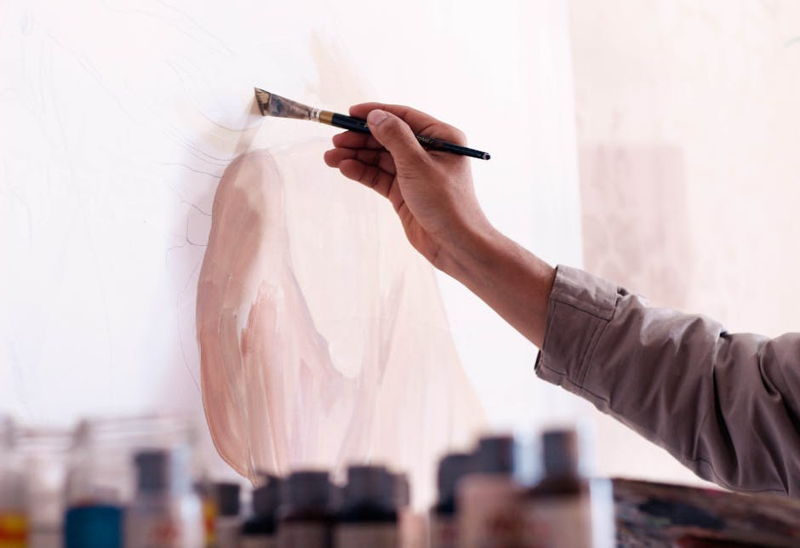
Oil painting is a timeless and expressive medium, perfect for capturing the rich, vibrant colors and textures of the natural world. With its slow-drying properties and blending capabilities, oil paint is ideal for creating detailed, realistic works that are full of depth and emotion. For example, learning to use oil paint to create bold, expressive brushstrokes and subtle, nuanced colors can add a sense of energy and excitement to your paintings, and make them truly unforgettable. What’s your favorite way to use oil paint, and how do you like to incorporate it into your work?
As you explore the world of oil paint, you’ll discover that each brand and type has its own unique characteristics and advantages. For instance, some oil paints are known for their high pigment load and lightfastness, while others are prized for their ease of use and versatility. Remember, the key to mastering oil paint is to be patient, persistent, and kind to yourself – don’t be too hard on yourself if you make mistakes, and always keep a sense of humor and curiosity.
Setting Up Your Painting Space
Lighting and Ventilation
Proper lighting and ventilation are essential for creating a comfortable and productive painting space. With the right lighting, you can see your work clearly and accurately, and with good ventilation, you can avoid the hazards of paint fumes and dust. For example, learning to use natural light and artificial light sources can add a sense of warmth and coziness to your workspace, and make it a pleasure to paint. What’s your favorite way to set up your painting space, and how do you like to use lighting and ventilation to create a comfortable and productive environment?
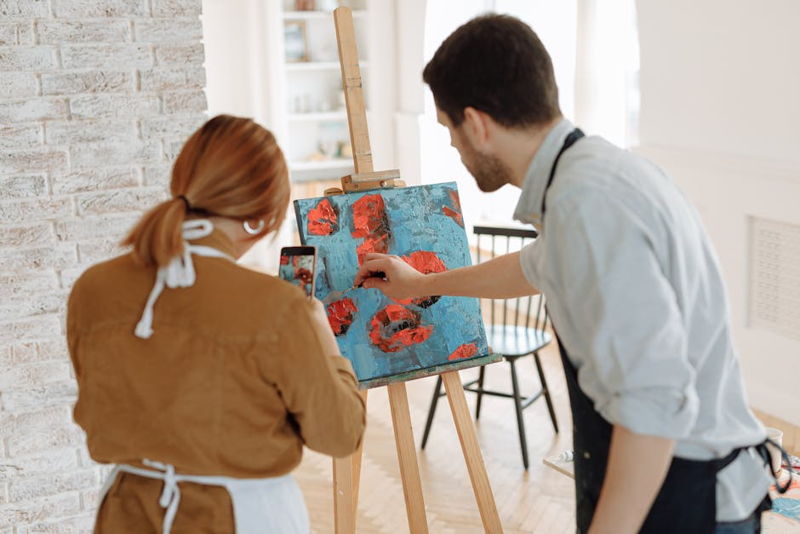
As you explore the world of painting spaces, you’ll discover that each one has its own unique characteristics and advantages. For instance, some painting spaces are designed for natural light, while others are designed for artificial light. Remember, the key to creating a comfortable and productive painting space is to experiment and have fun – don’t be afraid to try new things, and always keep a sense of curiosity and wonder.
Organizing Your Materials
Organizing your painting materials is essential for creating a comfortable and productive painting space. With the right storage and organization, you can keep your workspace clutter-free and focused, and make it easier to find the materials you need. For example, learning to use storage bins and shelves can add a sense of order and discipline to your workspace, and make it a pleasure to paint. What’s your favorite way to organize your painting materials, and how do you like to use storage and organization to create a comfortable and productive environment?
As you explore the world of painting materials, you’ll discover that each one has its own unique characteristics and advantages. For instance, some painting materials are designed for ease of use, while others are designed for versatility. Remember, the key to creating a comfortable and productive painting space is to be patient, persistent, and kind to yourself – don’t be too hard on yourself if you make mistakes, and always keep a sense of humor and curiosity.
Cleaning and Safety Tips
Cleaning and safety are essential for creating a comfortable and productive painting space. With the right cleaning and safety techniques, you can avoid the hazards of paint fumes and dust, and keep your workspace clean and organized. For example, learning to use soap and water to clean your brushes can add a sense of hygiene and cleanliness to your workspace, and make it a pleasure to paint. What’s your favorite way to clean and maintain your painting space, and how do you like to use safety tips to create a comfortable and productive environment?
As you explore the world of painting safety, you’ll discover that each technique has its own unique characteristics and advantages. For instance, some safety techniques are designed for protecting your skin and eyes, while others are designed for protecting your lungs and respiratory system. Remember, the key to creating a safe and comfortable painting space is to be patient, persistent, and kind to yourself – don’t be too hard on yourself if you make mistakes, and always keep a sense of humor and curiosity.
Preparing Your Canvas or Surface
Priming Your Surface
Priming your surface is essential for creating a smooth and durable base for painting. With the right primer, you can ensure that your paint adheres evenly and lasts for a long time. For example, learning to use gesso or acrylic primer can add a sense of professionalism and quality to your paintings, and make them truly unforgettable. What’s your favorite way to prime your surface, and how do you like to use primer to create a smooth and durable base for painting?
As you explore the world of priming, you’ll discover that each technique has its own unique characteristics and advantages. For instance, some priming techniques are designed for creating a smooth surface, while others are designed for creating a textured surface. Remember, the key to creating a smooth and durable base for painting is to experiment and have fun – don’t be afraid to try new things, and always keep a sense of curiosity and wonder.
Transferring Your Sketch
Transferring your sketch is essential for creating a accurate and detailed painting. With the right technique, you can ensure that your sketch is transferred evenly and accurately, and that your painting turns out exactly as you envisioned it. For example, learning to use graphite or charcoal can add a sense of precision and control to your paintings, and make them truly unforgettable. What’s your favorite way to transfer your sketch, and how do you like to use different techniques to create a accurate and detailed painting?
As you explore the world of sketching, you’ll discover that each technique has its own unique characteristics and advantages. For instance, some sketching techniques are designed for creating a detailed and realistic painting, while others are designed for creating a loose and expressive painting. Remember, the key to creating a accurate and detailed painting is to be patient, persistent, and kind to yourself – don’t be too hard on yourself if you make mistakes, and always keep a sense of humor and curiosity.
Color Theory Essentials
Primary, Secondary, and Tertiary Colors
Understanding primary, secondary, and tertiary colors is essential for creating beautiful and harmonious paintings. With the right color palette, you can add a sense of energy and excitement to your paintings, and make them truly unforgettable. For example, learning to use the color wheel can add a sense of precision and control to your color choices, and make it easier to create harmonious and balanced paintings. What’s your favorite way to use color, and how do you like to incorporate color theory into your paintings?
As you explore the world of color theory, you’ll discover that each color has its own unique characteristics and advantages. For instance, some colors are designed for creating a bold and vibrant painting, while others are designed for creating a soft and subtle painting. Remember, the key to creating beautiful and harmonious paintings is to experiment and have fun – don’t be afraid to try new things, and always keep a sense of curiosity and wonder.
Color Mixing Basics
Color mixing is essential for creating beautiful and harmonious paintings. With the right color mixing techniques, you can add a sense of depth and emotion to your paintings, and make them truly unforgettable. For example, learning to mix colors can add a sense of precision and control to your color choices, and make it easier to create harmonious and balanced paintings. What’s your favorite way to mix colors, and how do you like to incorporate color mixing into your paintings?
As you explore the world of color mixing, you’ll discover that each technique has its own unique characteristics and advantages. For instance, some color mixing techniques are designed for creating a bold and vibrant painting, while others are designed for creating a soft and subtle painting. Remember, the key to creating beautiful and harmonious paintings is to be patient, persistent, and kind to yourself – don’t be too hard on yourself if you make mistakes, and always keep a sense of humor and curiosity.
Understanding Warm and Cool Hues
Understanding warm and cool hues is essential for creating beautiful and harmonious paintings. With the right color palette, you can add a sense of energy and excitement to your paintings, and make them truly unforgettable. For example, learning to use warm and cool hues can add a sense of depth and emotion to your paintings, and make them truly unforgettable. What’s your favorite way to use warm and cool hues, and how do you like to incorporate them into your paintings?
As you explore the world of warm and cool hues, you’ll discover that each color has its own unique characteristics and advantages. For instance, some colors are designed for creating a bold and vibrant painting, while others are designed for creating a soft and subtle painting. Remember, the key to creating beautiful and harmonious paintings is to experiment and have fun – don’t be afraid to try new things, and always keep a sense of curiosity and wonder.
Brush Techniques for Beginners
Holding and Controlling Brushes
Holding and controlling brushes is essential for creating beautiful and harmonious paintings. With the right brush techniques, you can add a sense of precision and control to your paintings, and make them truly unforgettable. For example, learning to hold your brush correctly can add a sense of confidence and comfort to your painting experience, and make it easier to create smooth and even brushstrokes. What’s your favorite way to hold and control your brushes, and how do you like to incorporate different brush techniques into your paintings?
As you explore the world of brush techniques, you’ll discover that each technique has its own unique characteristics and advantages. For instance, some brush techniques are designed for creating a bold and expressive painting, while others are designed for creating a soft and subtle painting. Remember, the key to creating beautiful and harmonious paintings is to be patient, persistent, and kind to yourself – don’t be too hard on yourself if you make mistakes, and always keep a sense of humor and curiosity.
Basic Brush Strokes
Basic brush strokes are essential for creating beautiful and harmonious paintings. With the right brush strokes, you can add a sense of energy and excitement to your paintings, and make them truly unforgettable. For example, learning to use flat and round brushes can add a sense of precision and control to your paintings, and make it easier to create smooth and even brushstrokes. What’s your favorite way to use basic brush strokes, and how do you like to incorporate them into your paintings?
As you explore the world of basic brush strokes, you’ll discover that each stroke has its own unique characteristics and advantages. For instance, some brush strokes are designed for creating a bold and expressive painting, while others are designed for creating a soft and subtle painting. Remember, the key to creating beautiful and harmonious paintings is to experiment and have fun – don’t be afraid to try new things, and always keep a sense of curiosity and wonder.
Cleaning Brushes Properly
Cleaning brushes properly is essential for maintaining their quality and longevity. With the right cleaning techniques, you can ensure that your brushes remain in good condition, and that they continue to perform well over time. For example, learning to use soap and water to clean your brushes can add a sense of hygiene and cleanliness to your painting experience, and make it easier to maintain your brushes. What’s your favorite way to clean your brushes, and how do you like to incorporate cleaning into your painting routine?
As you explore the world of brush cleaning, you’ll discover that each technique has its own unique characteristics and advantages. For instance, some cleaning techniques are designed for removing paint and debris, while others are designed for maintaining the shape and quality of your brushes. Remember, the key to maintaining your brushes is to be patient, persistent, and kind to yourself – don’t be too hard on yourself if you make mistakes, and always keep a sense of humor and curiosity.
Blending and Layering Paint
Wet-on-Wet Blending
Wet-on-wet blending is a technique used to create smooth and even transitions between colors. With the right blending techniques, you can add a sense of depth and emotion to your paintings, and make them truly unforgettable. For example, learning to use wet-on-wet blending can add a sense of precision and control to your color choices, and make it easier to create harmonious and balanced paintings. What’s your favorite way to use wet-on-wet blending, and how do you like to incorporate it into your paintings?
As you explore the world of wet-on-wet blending, you’ll discover that each technique has its own unique characteristics and advantages. For instance, some blending techniques are designed for creating a bold and vibrant painting, while others are designed for creating a soft and subtle painting. Remember, the key to creating beautiful and harmonious paintings is to experiment and have fun – don’t be afraid to try new things, and always keep a sense of curiosity and wonder.
Dry Brushing Techniques
Dry brushing is a technique used to create textured and expressive brushstrokes. With the right dry brushing techniques, you can add a sense of energy and excitement to your paintings, and make them truly unforgettable. For example, learning to use dry brushing can add a sense of precision and control to your brushstrokes, and make it easier to create smooth and even textures. What’s your favorite way to use dry brushing, and how do you like to incorporate it into your paintings?
As you explore the world of dry brushing, you’ll discover that each technique has its own unique characteristics and advantages. For instance, some dry brushing techniques are designed for creating a bold and expressive painting, while others are designed for creating a soft and subtle painting. Remember, the key to creating beautiful and harmonious paintings is to be patient, persistent, and kind to yourself – don’t be too hard on yourself if you make mistakes, and always keep a sense of humor and curiosity.
Building Up Layers
Building up layers is a technique used to create depth and dimension in your paintings. With the right layering techniques, you can add a sense of energy and excitement to your paintings, and make them truly unforgettable. For example, learning to use layering can add a sense of precision and control to your color choices, and make it easier to create harmonious and balanced paintings. What’s your favorite way to use layering, and how do you like to incorporate it into your paintings?
As you explore the world of layering, you’ll discover that each technique has its own unique characteristics and advantages. For instance, some layering techniques are designed for creating a bold and vibrant painting, while others are designed for creating a soft and subtle painting. Remember, the key to creating beautiful and harmonious paintings is to experiment and have fun – don’t be afraid to try new things, and always keep a sense of curiosity and wonder.
Creating Texture in Your Paintings
Impasto and Thick Paint
Impasto and thick paint are techniques used to create textured and dimensional brushstrokes. With the right impasto and thick paint techniques, you can add a sense of energy and excitement to your paintings, and make them truly unforgettable. For example, learning to use impasto can add a sense of precision and control to your brushstrokes, and make it easier to create smooth and even textures. What’s your favorite way to use impasto and thick paint, and how do you like to incorporate them into your paintings?
As you explore the world of impasto and thick paint, you’ll discover that each technique has its own unique characteristics and advantages. For instance, some impasto techniques are designed for creating a bold and expressive painting, while others are designed for creating a soft and subtle painting. Remember, the key to creating beautiful and harmonious paintings is to be patient, persistent, and kind to yourself – don’t be too hard on yourself if you make mistakes, and always keep a sense of humor and curiosity.
Using Palette Knives
Palette knives are tools used to create textured and dimensional brushstrokes. With the right palette knife techniques, you can add a sense of energy and excitement to your paintings, and make them truly unforgettable. For example, learning to use palette knives can add a sense of precision and control to your brushstrokes, and make it easier to create smooth and even textures. What’s your favorite way to use palette knives, and how do you like to incorporate them into your paintings?
As you explore the world of palette knives, you’ll discover that each technique has its own unique characteristics and advantages. For instance, some palette knife techniques are designed for creating a bold and expressive painting, while others are designed for creating a soft and subtle painting. Remember, the key to creating beautiful and harmonious paintings is to experiment and have fun – don’t be afraid to try new things, and always keep a sense of curiosity and wonder.
Adding Mixed Media Elements
Mixed media elements are materials used to add texture and interest to your paintings. With the right mixed media techniques, you can add a sense of energy and excitement to your paintings, and make them truly unforgettable. For example, learning to use paper, fabric, and found objects can add a sense of precision and control to your brushstrokes, and make it easier to create smooth and even textures. What’s your favorite way to use mixed media elements, and how do you like to incorporate them into your paintings?
As you explore the world of mixed media, you’ll discover that each technique has its own unique characteristics and advantages. For instance, some mixed media techniques are designed for creating a bold and expressive painting, while others are designed for creating a soft and subtle painting. Remember, the key to creating beautiful and harmonious paintings is to be patient, persistent, and kind to yourself – don’t be too hard on yourself if you make mistakes, and always keep a sense of humor and curiosity.
Common Mistakes and How to Avoid Them
Overworking Your Painting
Overworking your painting is a common mistake that can lead to a loss of spontaneity and energy. With the right techniques and mindset, you can avoid overworking your painting and create a beautiful and harmonious piece of art. For example, learning to stop and step back from your painting can add a sense of precision and control to your brushstrokes, and make it easier to create smooth and even textures. What’s your favorite way to avoid overworking your painting, and how do you like to incorporate self-care into your painting routine?
As you explore the world of painting, you’ll discover that each technique has its own unique characteristics and advantages. For instance, some techniques are designed for creating a bold and expressive painting, while others are designed for creating a soft and subtle painting. Remember, the key to creating beautiful and harmonious paintings is to experiment and have fun – don’t be afraid to try new things, and always keep a sense of curiosity and wonder.
Not Letting Layers Dry
Not letting layers dry is a common mistake that can lead to a muddy and unclear painting. With the right techniques and mindset, you can avoid this mistake and create a beautiful and harmonious piece of art. For example, learning to wait and let your layers dry can add a sense of precision and control to your brushstrokes, and make it easier to create smooth and even textures. What’s your favorite way to let your layers dry, and how do you like to incorporate patience into your painting routine?
As you explore the world of painting, you’ll discover that each technique has its own unique characteristics and advantages. For instance, some techniques are designed for creating a bold and expressive painting, while others are designed for creating a soft and subtle painting. Remember, the key to creating beautiful and harmonious paintings is to be patient, persistent, and kind to yourself – don’t be too hard on yourself if you make mistakes, and always keep a sense of humor and curiosity.
Using Too Much Water or Medium
Using too much water or medium is a common mistake that can lead to a weak and washed-out painting. With the right techniques and mindset, you can avoid this mistake and create a beautiful and harmonious piece of art. For example, learning to use the right amount of water and medium can add a sense of precision and control to your brushstrokes, and make it easier to create smooth and even textures. What’s your favorite way to use water and medium, and how do you like to incorporate them into your paintings?
As you explore the world of painting, you’ll discover that each technique has its own unique characteristics and advantages. For instance, some techniques are designed for creating a bold and expressive painting, while others are designed for creating a soft and subtle painting. Remember, the key to creating beautiful and harmonious paintings is to experiment and have fun – don’t be afraid to try new things, and always keep a sense of curiosity and wonder.
Practicing: Simple Projects for Starters
Still Life Painting
Still life painting is a great way to practice your painting skills and create beautiful and harmonious pieces of art. With the right techniques and mindset, you can create stunning still life paintings that capture the beauty and essence of everyday objects. For example, learning to set up a still life arrangement can add a sense of precision and control to your brushstrokes, and make it easier to create smooth and even textures. What’s your favorite way to set up a still life arrangement, and how do you like to incorporate still life painting into your artistic routine?
As you explore the world of still life painting, you’ll discover that each technique has its own unique characteristics and advantages. For instance, some techniques are designed for creating a bold and expressive painting, while others are designed for creating a soft and subtle painting. Remember, the key to creating beautiful and harmonious paintings is to be patient, persistent, and kind to yourself – don’t be too hard on yourself if you make mistakes, and always keep a sense of humor and curiosity.
Basic Landscape Scenes
Basic landscape scenes are a great way to practice your painting skills and create beautiful and harmonious pieces of art. With the right techniques and mindset, you can create stunning landscape paintings that capture the beauty and essence of the natural world. For example, learning to use color and composition can add a sense of precision and control to your brushstrokes, and make it easier to create smooth and even textures. What’s your favorite way to paint landscape scenes, and how do you like to incorporate them into your artistic routine?
As you explore the world of landscape painting, you’ll discover that each technique has its own unique characteristics and advantages. For instance, some techniques are designed for creating a bold and expressive painting, while others are designed for creating a soft and subtle painting. Remember, the key to creating beautiful and harmonious paintings is to experiment and have fun – don’t be afraid to try new things, and always keep a sense of curiosity and wonder.
Exploring Abstract Art
Abstract art is a great way to practice your painting skills and create beautiful and harmonious pieces of art. With the right techniques and mindset, you can create stunning abstract paintings that capture the essence and emotion of the human experience. For example, learning to use color and texture can add a sense of precision and control to your brushstrokes, and make it easier to create smooth and even textures. What’s your favorite way to create abstract art, and how do you like to incorporate it into your artistic routine?
As you explore the world of abstract art, you’ll discover that each technique has its own unique characteristics and advantages. For instance, some techniques are designed for creating a bold and expressive painting, while others are designed for creating a soft and subtle painting. Remember, the key to creating beautiful and harmonious paintings is to be patient, persistent, and kind to yourself – don’t be too hard on yourself if you make mistakes, and always keep a sense of humor and curiosity.
Caring for Your Finished Artwork
Varnishing and Protection
Varnishing and protection are essential for preserving the beauty and longevity of your finished artwork. With the right varnishing and protection techniques, you can ensure that your artwork remains vibrant and intact for years to come. For example, learning to use varnish can add a sense of precision and control to your