
Understanding Different Types of Sculpting Clay for Art
What if understanding different types of sculpting clay could unlock a world of creative possibilities for you? As we explore the diverse range of sculpting clays, we’ll discover how each type offers unique characteristics, opportunities, and challenges. In this comprehensive guide, we’ll delve into the world of sculpting clays, covering everything from water-based and oil-based clays to polymer and paper clays, and provide you with the knowledge to choose the right clay for your next art project.
What Is Sculpting Clay?
Sculpting clay is a versatile material composed of various elements, including water, minerals, and organic matter, which can be shaped and molded to create three-dimensional objects. With a rich history dating back thousands of years, sculpting clay has evolved over time, and its primary uses have expanded from functional items like pottery to artistic expressions like sculpture. As we’ll see, the different types of sculpting clays have distinct properties, making them suitable for various applications and techniques.
A Brief History of Sculpting Clay
From ancient civilizations to modern times, sculpting clay has played a significant role in human creativity and expression. The origins of sculpting clay can be traced back to the earliest forms of pottery, where clay was used to create functional items like vessels and utensils. As techniques and materials evolved, sculpting clay became a popular medium for artistic expression, with various types of clay emerging to cater to different needs and preferences.
Understanding Different Types of Sculpting Clay
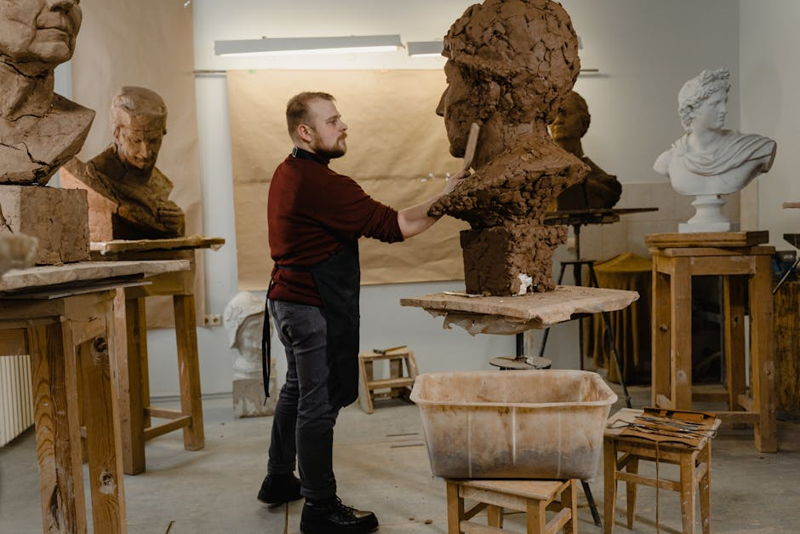
Understanding the different types of sculpting clay is crucial for artists and hobbyists alike, as it allows them to choose the right material for their projects and achieve the desired results. Each type of clay has its unique characteristics, advantages, and challenges, making it essential to explore and experiment with various options. By grasping the differences between these clays, you’ll be able to unlock new creative possibilities and take your art to the next level.
Water-Based Clays
Water-based clays, also known as earthenware or pottery clay, are composed of water, minerals, and organic matter. These clays are soft and pliable when moist, making them ideal for hand-building techniques and beginner-friendly projects. Water-based clays can be used to create a wide range of items, from functional ceramics to decorative sculptures, and can be fired in a kiln to achieve permanent durability.
Oil-Based Clays
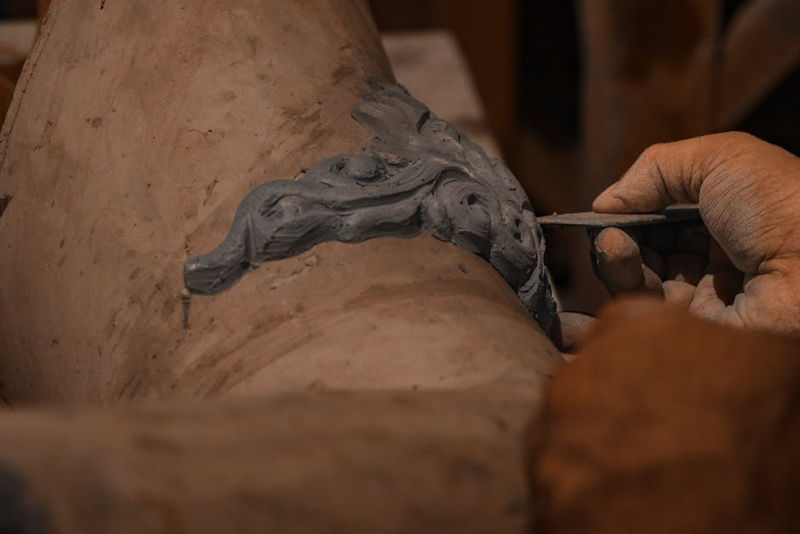
Oil-based clays, also known as plastilina or modeling clay, are made from oils, minerals, fillers, and waxes. These clays are non-drying, meaning they remain pliable and don’t harden when exposed to air, making them suitable for sculpting and modeling. Oil-based clays are often used for creating highly detailed and realistic pieces, and can be used for various applications, including jewelry-making, miniatures, and figurines.
Polymer Clays
Polymer clays are synthetic sculpting materials made from polyvinyl chloride (PVC), pigments, and plasticizers. These clays are known for their ease of use, versatility, and durability, and can be molded to mimic various materials, such as stones, wood, and porcelain. Polymer clays can be baked in a home oven to fix a composition, making them a popular choice for artists and crafters.
Paper Clays
Paper clays are a mixture of clay and paper fibers, making them incredibly plastic and easy to work with when wet. These clays are eco-friendly, lightweight, and versatile, and can be used for various applications, including sculpture, jewelry-making, and paper crafts. Paper clays are a great option for artists who want to create unique and textured pieces.
Air-Dry Clays
Air-dry clays are a type of clay that hardens on its own without the need for a kiln or oven. These clays are often used for sculpting, decorative pieces, and educational projects, and are known for their ease of use and convenience. Air-dry clays can be prone to shrinkage, which can lead to cracking or warping, but with proper handling and care, they can produce beautiful and durable results.
Natural Clays vs. Synthetic Clays
Natural clays, such as terracotta, stoneware, and porcelain, have been used for centuries for their unique textures and properties. These clays are often more challenging to work with, but offer a distinct character and charm. Synthetic clays, on the other hand, are human-made and offer consistency, durability, and affordability. Understanding the differences between natural and synthetic clays can help artists choose the right material for their projects and achieve the desired results.
Choosing the Right Clay for Art
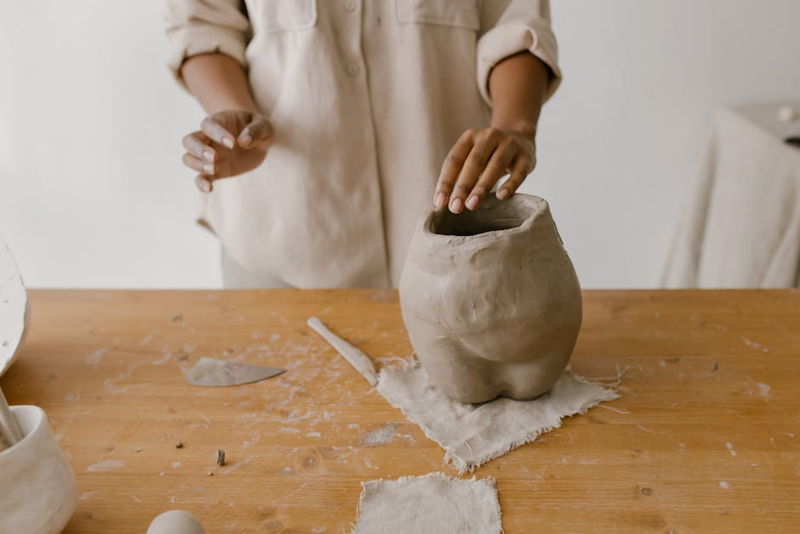
With so many types of sculpting clays available, choosing the right one for your art project can be overwhelming. Consider the desired texture, color, and durability of your piece, and experiment with different clays to find the one that suits your needs. Don’t be afraid to try new clays and techniques, and remember that practice and patience are key to mastering the art of sculpting.
Tools and Techniques for Sculpting Clay
Having the right tools and techniques can make a significant difference in your sculpting experience. From wire cutters and modeling tools to kilns and armatures, there are various tools available to help you achieve your desired results. Understand the basics of hand-building, throwing, and slip-casting, and experiment with different techniques to find what works best for you.
Caring for and Storing Sculpting Clay
Proper storage and handling of sculpting clay are essential to maintain its quality and longevity. Keep your clay clean, dry, and away from contaminants, and use clay conditioners and sealers to prevent drying out. Learn how to recycle and reuse your clay, and take care of your tools and equipment to ensure they last long.
Common Mistakes When Working With Clay
As a beginner, it’s easy to make mistakes when working with clay. Over-working, under-working, and improper drying are common errors that can lead to cracking, warping, or breakage. Be patient, practice, and pay attention to detail to avoid these mistakes and achieve professional-looking results.
Conclusion
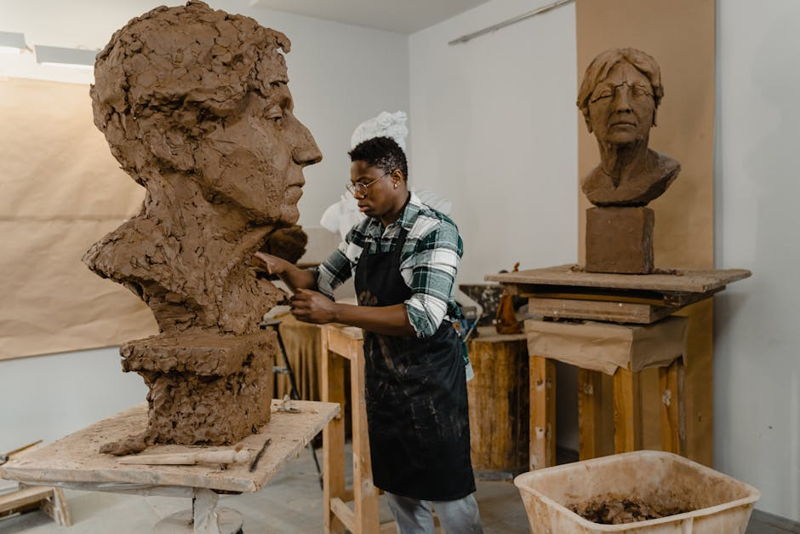
In conclusion, understanding different types of sculpting clay is a crucial step in unlocking your creative potential. With this comprehensive guide, you’re now equipped with the knowledge to choose the right clay for your next art project and achieve the desired results. Remember to experiment, take risks, and have fun with the process. So, get started with your next sculpting project, and share your experiences with the community – we can’t wait to see what you create!