
Introduction to How to Pick Wood for Beginner Carving
What if you could unlock the secret to choosing the perfect wood for your carving projects, eliminating frustration and boosting your creativity? Learning how to pick wood for beginner carving is the first step towards mastering this artisanal skill. With the growing popularity of woodworking and the numerous options available, selecting the right wood can be overwhelming, especially for beginners. In this article, we will guide you through the process of identifying suitable woods for hand tool carving, helping you make informed decisions and achieve success in your projects.
We’ll explore the importance of wood selection, preparation, and maintenance, as well as provide tips and recommendations for choosing the best woods for beginners. By the end of this article, you’ll be equipped with the knowledge and skills to confidently select the perfect wood for your next carving project.
Why Wood Choice Affects Carving Success
Impact on Carving Experience
The right wood choice can significantly enhance the carving experience, allowing for improved tool control and a more enjoyable process. However, poor wood selection can lead to difficulties, such as uneven cutting, splintering, or even tool damage. For instance, a beginner carver may encounter challenges when working with a wood species that is too hard or too soft, resulting in a frustrating experience and a disappointing final product.
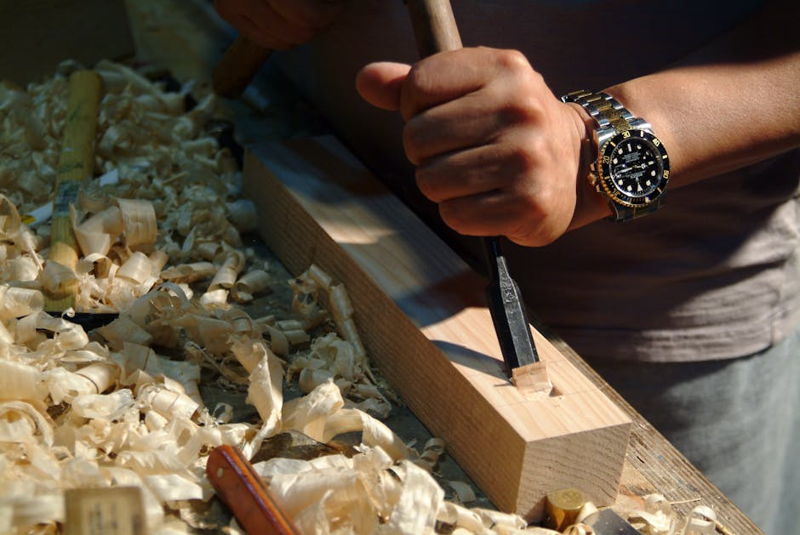
A common scenario is when a beginner carver chooses a wood that is too dense, making it difficult to carve and leading to tool breakage or fatigue. On the other hand, selecting a wood that is too soft can result in a lack of detail and definition, compromising the overall quality of the final product. By understanding the characteristics of different wood species, you can make informed decisions and avoid common pitfalls.
Understanding Wood Properties
Hardwoods vs. Softwoods
One of the primary factors to consider when selecting wood for carving is the difference between hardwoods and softwoods. Hardwoods, such as oak and maple, are generally denser and more durable than softwoods, such as pine and fir. However, hardwoods can be more challenging to carve, especially for beginners, due to their increased hardness and density. Softwoods, on the other hand, are often easier to carve but may be more prone to knots and other defects.
For example, basswood, a popular choice for beginner carvers, is a softwood that is relatively easy to carve and work with, and its wood holds detail well. It has a straight grain pattern and a smooth, even texture, making it ideal for intricate designs and details. In contrast, hardwoods like walnut or cherry are more challenging to carve but offer a rich, beautiful finish and exceptional durability.
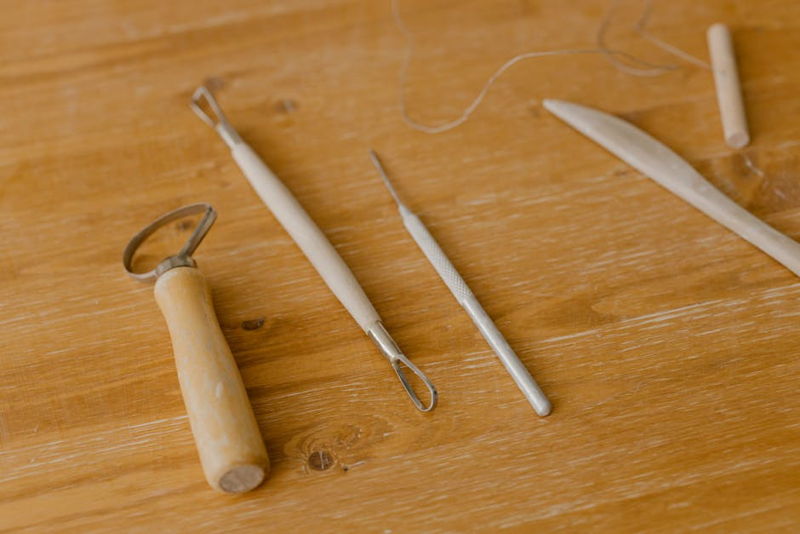
How to Pick Wood for Beginner Carving
Assessing Availability and Cost
When selecting wood for carving, it’s essential to consider availability and cost. Local sawmills, hardware stores, and online retailers can provide a wide range of wood options, but it’s crucial to evaluate the quality and workability of the wood before making a purchase. Factors such as the wood’s density, grain pattern, and moisture content can significantly impact the carving experience and the final product’s quality.
For instance, a beginner carver may want to consider basswood or butternut, both of which are relatively inexpensive and easy to work with. These woods offer a great balance of quality and affordability, making them ideal for beginners. On the other hand, more exotic or hardwood species may be more expensive and challenging to work with, but they can provide a unique and beautiful finish.
Top Recommended Woods for Beginners: Finding the Best Wood to Carve for Beginners
Basswood
Basswood is a highly recommended wood for beginners due to its softness, ease of carving, and relatively low cost. It has a straight grain pattern and a smooth, even texture, making it ideal for intricate designs and details. Basswood is also less prone to warping or cracking, reducing the risk of damage or defects in the final product.
One of the benefits of basswood is that soft wood holds detail well, allowing for precise and intricate carvings. Additionally, basswood is a relatively lightweight wood, making it easy to handle and manipulate during the carving process. With its excellent workability and affordability, basswood is an excellent choice for beginners looking to develop their carving skills.
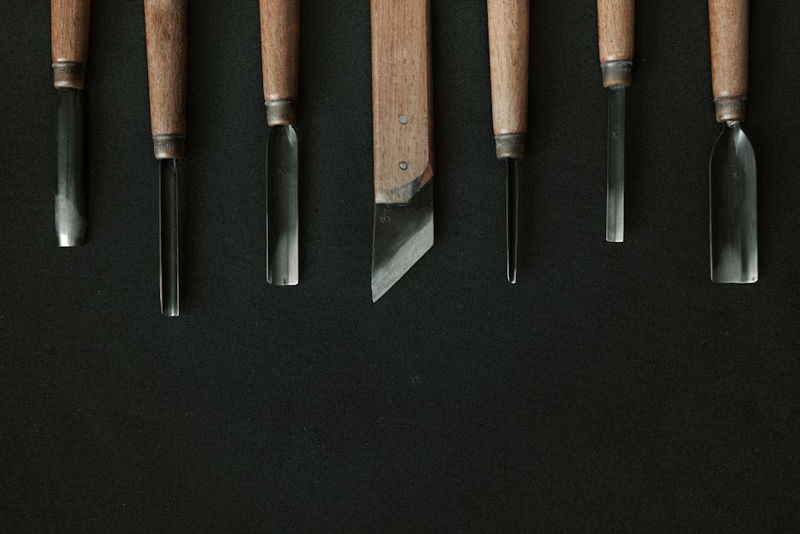
Woods to Avoid When Starting Out
Very Hard Woods
Very hard woods, such as ebony or lignum vitae, are not recommended for beginners due to their extreme density and hardness. These woods can be challenging to carve, even for experienced carvers, and may require specialized tools and techniques. Additionally, very hard woods can be prone to cracking or breaking, which can be frustrating and disappointing for beginners.
For example, woods like oak or maple are generally considered too hard for beginners, as they require significant force and specialized tools to carve. While these woods can provide a beautiful and durable finish, they are better suited for more experienced carvers who have developed the necessary skills and techniques.
Examining Grain Direction and Pattern
Spotting Straight vs. Irregular Grain
When selecting wood for carving, it’s essential to examine the grain direction and pattern. Straight-grained woods, such as basswood or butternut, are generally easier to carve and work with, while irregular-grained woods, such as oak or ash, can be more challenging. Understanding the grain pattern and direction can help you anticipate potential difficulties and make informed decisions about the wood’s workability.
For instance, a wood with a straight grain pattern can be carved in any direction, while a wood with an irregular grain pattern may require more careful planning and execution. By evaluating the grain direction and pattern, you can optimize your carving technique and achieve the best possible results.
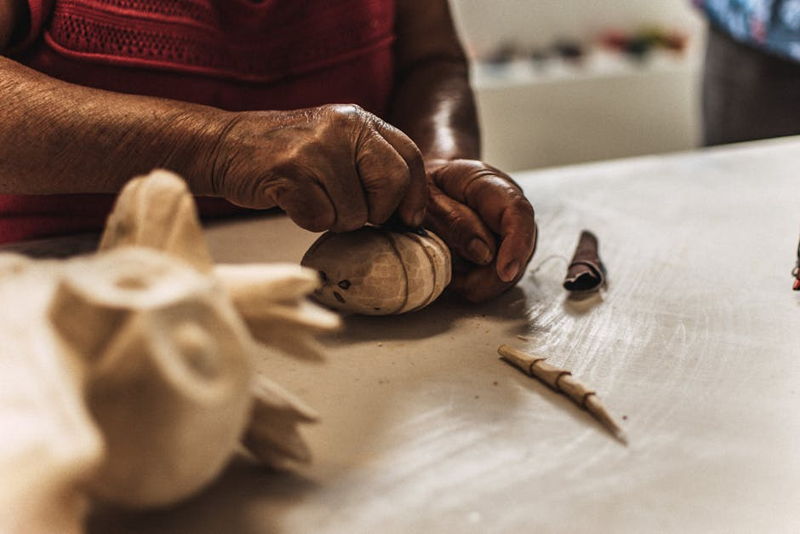
How to Check Wood Moisture
Signs of Wet vs. Dry Wood
Checking the moisture content of the wood is crucial to ensure optimal carving conditions. Wet wood can be prone to warping or cracking, while dry wood can be too brittle and prone to breaking. By evaluating the wood’s moisture content, you can determine the best approach for carving and finishing the wood.
For example, a simple method for testing wood moisture is to use a moisture meter or to weigh the wood and compare it to a known dry weight. This can help you determine the wood’s moisture content and make informed decisions about the carving process. By controlling the moisture content, you can optimize the carving experience and achieve a high-quality final product.
Conclusion and Key Takeaways
In conclusion, selecting the right wood for carving is a critical step in achieving success in your projects. By understanding the characteristics of different wood species, evaluating their workability, and considering factors such as grain direction and moisture content, you can make informed decisions and optimize your carving experience. Remember to start with beginner-friendly woods like basswood or butternut, and gradually explore more exotic or hardwood species as you develop your skills and confidence.
As you embark on your carving journey, keep in mind the importance of patience, practice, and persistence. With the right wood and the right techniques, you can unlock your creative potential and achieve exceptional results. So, take the first step, and start exploring the world of wood carving – you never know what amazing creations you’ll discover.