
Slow-Crafting and Wellness
What if the therapeutic benefits of hand embroidery could help us find calm in a chaotic world? As we navigate the complexities of modern life, many of us are seeking new ways to manage stress, cultivate mindfulness, and tap into our creative potential. The growing interest in mindfulness and wellness practices has led us to explore traditional crafts like hand embroidery, which offers a unique combination of relaxation, self-expression, and community building. In this article, we’ll delve into the world of hand embroidery, exploring its history, techniques, and benefits, and discover how this timeless craft can be a powerful tool for improving our mental and physical well-being.
Understanding Hand Embroidery
So, what is hand embroidery, and how does it work? At its core, hand embroidery is the art of creating decorative designs or patterns on fabric using a needle and thread. This traditional craft has been practiced for centuries, with various techniques and styles emerging across different cultures and historical periods. From the intricate stitches of medieval tapestries to the vibrant colors of contemporary embroidery, this craft has evolved over time, influenced by social, cultural, and technological changes. To get started with hand embroidery, you’ll need a few basic materials, including a needle, threads, and a piece of cloth, making it an accessible and inexpensive hobby.
A Personal Story of Hand Embroidery
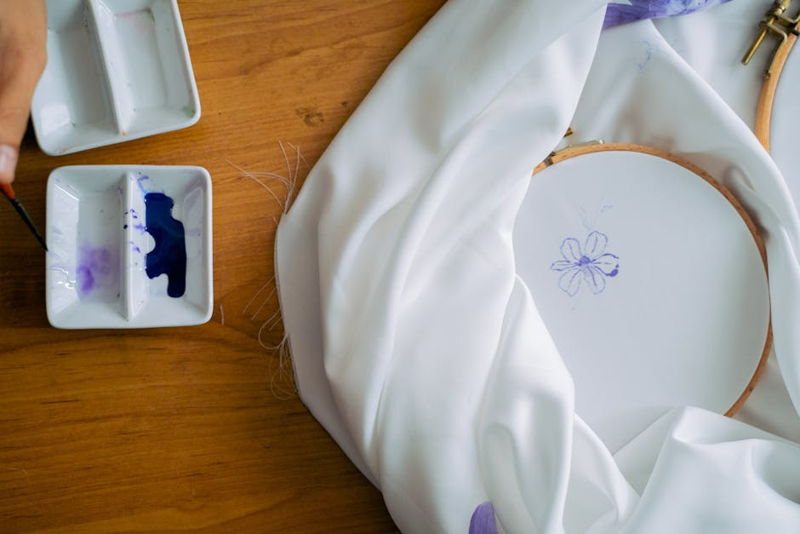
I still remember the first time I tried hand embroidery – it was a few years ago, when I was looking for a new hobby to help me relax and express my creativity. A friend had given me a small embroidery kit, and I was immediately drawn to the tactile nature of the craft, the feel of the thread between my fingers, and the sound of the needle moving in and out of the fabric. As I worked on my first project, a simple embroidery pattern, I found myself becoming completely absorbed in the process, my mind quieting, and my worries fading away. It was a truly meditative experience, and one that I’ve returned to again and again, whenever I need to unwind and recharge.
A Brief History of Hand Embroidery
The history of hand embroidery is a rich and fascinating one, spanning thousands of years and countless cultures. From ancient civilizations like Egypt, China, and Greece, to modern-day practitioners, hand embroidery has played a significant role in human expression, communication, and community building. One notable example of hand embroidery’s cultural significance is the famous Bayeux Tapestry, which depicts the events leading up to the Norman Conquest of England in 1066. This stunning work of art, measuring over 70 meters long, is a testament to the skill, creativity, and perseverance of medieval embroiderers.
The Evolution of Hand Embroidery
Over time, hand embroidery has evolved, influenced by technological advancements, social changes, and cultural exchange. New materials, tools, and techniques have emerged, allowing embroiderers to experiment with different styles, textures, and effects. From the intricate blackwork of the Tudor period to the vibrant colors of contemporary embroidery, this craft has continued to adapt, incorporating new ideas and inspiration while remaining true to its traditional roots. Today, hand embroidery is practiced by people all over the world, with a thriving community of artists, craftspeople, and enthusiasts sharing their work, knowledge, and passion for this timeless craft.
The Therapeutic Benefits of Hand Embroidery
So, what are the therapeutic benefits of hand embroidery, and how can this craft improve our mental and physical well-being? Research has shown that mindfulness-based activities, including hand embroidery, can reduce stress, anxiety, and depression, while improving focus, calmness, and overall quality of life. The repetitive motions involved in hand embroidery can be meditative, inducing a state of flow, and releasing endorphins, which can help alleviate symptoms of anxiety and depression. Additionally, the creative expression and self-care aspects of hand embroidery can contribute to improved mental health, self-esteem, and resilience.
Physical Relaxation Effects
The physical act of hand embroidery can be incredibly relaxing, as the repetitive motions of the needle and thread help to calm the mind and soothe the body. The focused attention required for hand embroidery can also help to reduce mind-wandering, worry, and rumination, allowing us to quiet our minds and focus on the present moment. As we work on a project, we can experience a sense of flow, becoming fully engaged in the process, and losing track of time, worries, and distractions. This state of flow can be incredibly therapeutic, helping us to recharge, refocus, and reconnect with ourselves and the world around us, which is often referred to as slow stitching.
Mental Health Improvement
Hand embroidery can also have a positive impact on our mental health, providing a healthy outlet for emotions, thoughts, and feelings. The creative expression and self-care aspects of hand embroidery can help us process and manage difficult emotions, develop self-awareness, and cultivate a sense of self-compassion. By working on a project, we can experience a sense of accomplishment, pride, and satisfaction, which can boost our self-esteem, confidence, and overall well-being. Additionally, the social connections and community building aspects of hand embroidery can help us feel more connected, supported, and less isolated, which is essential for our mental health and resilience.
Reducing Stress and Anxiety Through Stitching
So, how can hand embroidery help us reduce stress and anxiety, and what tips and techniques can we use to get started? One of the most effective ways to reduce stress and anxiety through hand embroidery is to focus on the process, rather than the end result. By letting go of perfectionism, and embracing the imperfections, we can allow ourselves to fully engage in the moment, and enjoy the therapeutic benefits of the craft. Additionally, we can use hand embroidery as a tool for mindfulness, focusing on the breath, the sensation of the thread, and the movement of the needle, to calm the mind, and soothe the body.
Tips for Getting Started
If you’re new to hand embroidery, getting started can seem daunting, but with a few simple tips, and techniques, you can begin to experience the therapeutic benefits of this craft. First, start with a simple project, and basic materials, and gradually build up your skills, and confidence. Practice regularly, even if it’s just for a few minutes a day, to develop your technique, and cultivate a sense of calm, and focus. Join a community, or find a friend, who shares your interest, to connect, learn, and grow together, and don’t be afraid to make mistakes, or try new things – it’s all part of the process, and the journey.
Encouraging Mindfulness and Focus
Hand embroidery can be a powerful tool for cultivating mindfulness, and focus, helping us to develop greater awareness, and presence, in our daily lives. By focusing on the breath, the sensation of the thread, and the movement of the needle, we can quiet the mind, and calm the body, allowing us to become more fully engaged, and present, in the moment. This can have a profound impact on our mental, and physical well-being, improving our ability to concentrate, think clearly, and make decisions, while reducing stress, anxiety, and burnout.
The Role of Intention and Attention
The intention, and attention, we bring to hand embroidery can greatly enhance its therapeutic benefits, allowing us to cultivate greater mindfulness, and focus, in our daily lives. By setting an intention, to create something beautiful, meaningful, or personal, we can tap into our creative potential, and express ourselves, in a unique, and authentic way. Additionally, by paying attention, to the process, rather than the end result, we can develop greater patience, perseverance, and self-awareness, allowing us to grow, learn, and evolve, as individuals.
Building Patience and Perseverance
Hand embroidery requires patience, and perseverance, as we work on a project, stitch by stitch, thread by thread, and needle by needle. This can be a challenging, but ultimately rewarding experience, as we develop greater self-awareness, and self-compassion, learning to accept, and appreciate, our mistakes, and imperfections. By embracing the slow, and meditative nature, of hand embroidery, we can cultivate greater patience, and perseverance, in our daily lives, allowing us to approach challenges, and obstacles, with greater confidence, and resilience.
A Personal Story of Patience and Perseverance
I still remember the first time I worked on a complex embroidery project, it was a challenging, and frustrating experience, as I struggled to master the stitches, and techniques. However, as I persisted, and persevered, I began to develop greater patience, and self-awareness, learning to accept, and appreciate, my mistakes, and imperfections. The finished project, was a testament to my hard work, and dedication, and I felt an overwhelming sense of pride, and accomplishment, knowing that I had created something beautiful, and meaningful, with my own hands.
Fostering Creativity and Self-Expression
Hand embroidery can be a powerful tool for fostering creativity, and self-expression, allowing us to tap into our imagination, and bring our ideas, and visions, to life. By experimenting with different stitches, techniques, and materials, we can develop our unique style, and voice, expressing ourselves, in a way that is authentic, and meaningful. This can have a profound impact on our mental, and emotional well-being, as we cultivate greater confidence, self-esteem, and self-awareness, and develop a deeper understanding of ourselves, and our place in the world.
Exploring Different Styles and Techniques
One of the most exciting aspects of hand embroidery is the opportunity to explore different styles, and techniques, from traditional, to contemporary, and everything in between. By experimenting with different stitches, threads, and fabrics, we can create unique, and personalized pieces, that reflect our individuality, and creativity. Whether we’re working on a traditional sampler, or a modern art piece, hand embroidery offers endless possibilities, for self-expression, and creativity, allowing us to push boundaries, and challenge ourselves, in new, and exciting ways.
Enhancing Fine Motor Skills
Hand embroidery can be a great way to improve fine motor skills, hand-eye coordination, and dexterity, as we work on intricate stitches, and techniques. This can be especially beneficial for individuals with motor skill impairments, or those who are looking to improve their overall physical ability. By practicing hand embroidery regularly, we can develop greater precision, and control, allowing us to perform everyday tasks, with greater ease, and confidence.
The Benefits of Hand Embroidery for Motor Skills
Research has shown that hand embroidery can be a valuable tool for improving fine motor skills, and hand-eye coordination, in individuals of all ages, and abilities. By working on intricate stitches, and techniques, we can develop greater dexterity, and precision, allowing us to perform everyday tasks, with greater ease, and confidence. Additionally, hand embroidery can be a fun, and engaging way to improve motor skills, as we work on a project, stitch by stitch, thread by thread, and needle by needle.
Creating Social Connections and Community
Hand embroidery can be a great way to create social connections, and community, as we share our passion, and creativity, with others. By joining a local embroidery group, or online community, we can connect with like-minded individuals, share tips, and techniques, and learn from one another. This can be a great way to build relationships, and friendships, while also developing our skills, and confidence, as embroiderers.
The Benefits of Hand Embroidery Communities
Hand embroidery communities can be a great way to connect with others, who share our passion, and creativity. By joining a local group, or online forum, we can share our work, ask questions, and learn from others, while also developing our skills, and confidence, as embroiderers. Additionally, hand embroidery communities can provide a sense of belonging, and support, as we work on our projects, and share our experiences, with others.
Hand Embroidery in Modern Therapy Practices
Hand embroidery is being used in modern therapy practices, as a tool for promoting relaxation, reducing stress, and improving mental health. By incorporating hand embroidery into therapy sessions, individuals can develop greater self-awareness, and self-compassion, while also cultivating creativity, and self-expression. This can be especially beneficial for individuals with anxiety, depression, or other mental health conditions, as hand embroidery provides a healthy outlet for emotions, and a sense of calm, and focus.
The Therapeutic Benefits of Hand Embroidery in Therapy
Research has shown that hand embroidery can be a valuable tool in therapy, providing a sense of calm, and focus, while also promoting relaxation, and reducing stress. By incorporating hand embroidery into therapy sessions, individuals can develop greater self-awareness, and self-compassion, while also cultivating creativity, and self-expression. This can be especially beneficial for individuals with anxiety, depression, or other mental health conditions, as hand embroidery provides a healthy outlet for emotions, and a sense of calm, and focus.
Tips for Starting Your Hand Embroidery Journey
If you’re new to hand embroidery, getting started can seem daunting, but with a few simple tips, and techniques, you can begin to experience the therapeutic benefits of this craft. First, start with a simple project, and basic materials, and gradually build up your skills, and confidence. Practice regularly, even if it’s just for a few minutes a day, to develop your technique, and cultivate a sense of calm, and focus. Don’t be afraid to make mistakes, or try new things – it’s all part of the process, and the journey.
A Step-by-Step Guide to Getting Started
To get started with hand embroidery, you’ll need a few basic materials, including a needle, threads, and a piece of cloth. Begin by choosing a simple project, such as a small embroidery pattern, or a piece of fabric with a basic design. Next, thread your needle, and start stitching, using a basic stitch, such as the running stitch, or the backstitch. As you work on your project, remember to take your time, and enjoy the process, rather than focusing on the end result. With patience, and practice, you’ll develop your skills, and confidence, and be able to create beautiful, and unique pieces, that reflect your individuality, and creativity.
Conclusion
In conclusion, the therapeutic benefits of hand embroidery are numerous, and well-documented, providing a sense of calm, focus, and relaxation, while also promoting creativity, and self-expression. By incorporating hand embroidery into our daily lives, we can develop greater self-awareness, and self-compassion, while also cultivating patience, perseverance, and confidence. Whether we’re working on a simple project, or a complex piece, hand embroidery offers a unique, and rewarding experience, that can have a profound impact on our mental, and physical well-being. So, why not give it a try, and discover the therapeutic benefits of hand embroidery for yourself?