Getting Started with Crochet Hooks and Knitting Needles
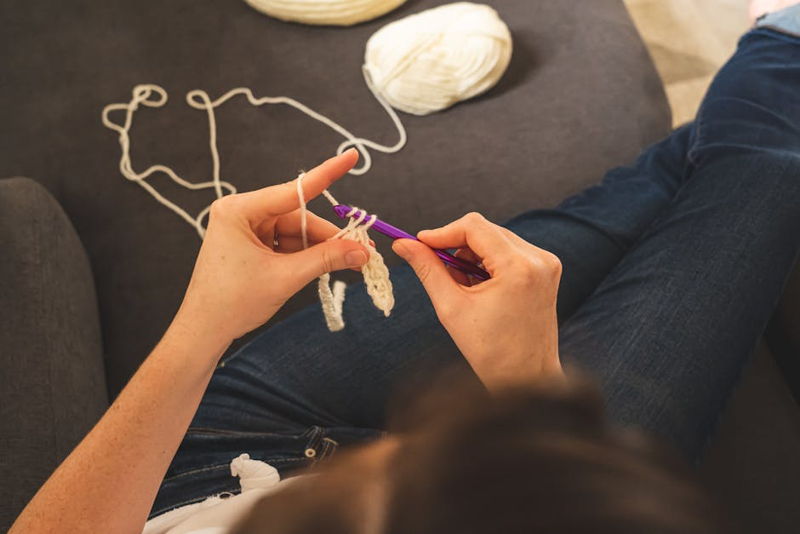
I still remember my first attempt at crafting – it was a tangled mess of yarn and broken dreams. But what I didn’t know then was that choosing the right tools can make all the difference. As a beginner, navigating the world of comparison of crochet hooks and knitting needles for beginners can be overwhelming. “Crafting bliss” is just a hook away; what if I told you that with the right guide, you can unlock a world of creative possibilities? The benefit of understanding these tools is clear: with the right knowledge, you can create anything from cozy blankets to intricate lace shawls.
So, what’s the main difference between crochet hooks vs knitting needles?
The key lies in the technique and tools used, which impacts the texture, flexibility, and appearance of the final product. I often wonder, what makes one tool better suited for a particular project? For instance, crochet uses a single hook to pull loops through one another, while knitting uses two needles to form rows of interconnected loops. This fundamental difference has a significant impact on the final result, making it essential to choose the right tool for the job.
As I delved deeper into the world of crochet and knitting, I discovered that the choice of tool depends on personal preference, the type of yarn being used, and the desired outcome. For example, aluminum hooks and needles are inexpensive and widely available, while wooden tools are warm to the touch and have a good balance of grip and smoothness. The variety of materials and tools available can be daunting, but with a little practice and patience, you can master the art of crochet and knitting. My tip for beginners is to start with a simple project, like a scarf or a hat, and experiment with different tools and techniques to find what works best for you. Needles and hooks are commonly made of metal or wood with aluminium and bamboo being popular choices, offering a range of options for crafters.
Understanding Crochet Hooks and Knitting Needles
Let’s take a closer look at the different types of crochet hooks and knitting needles available.
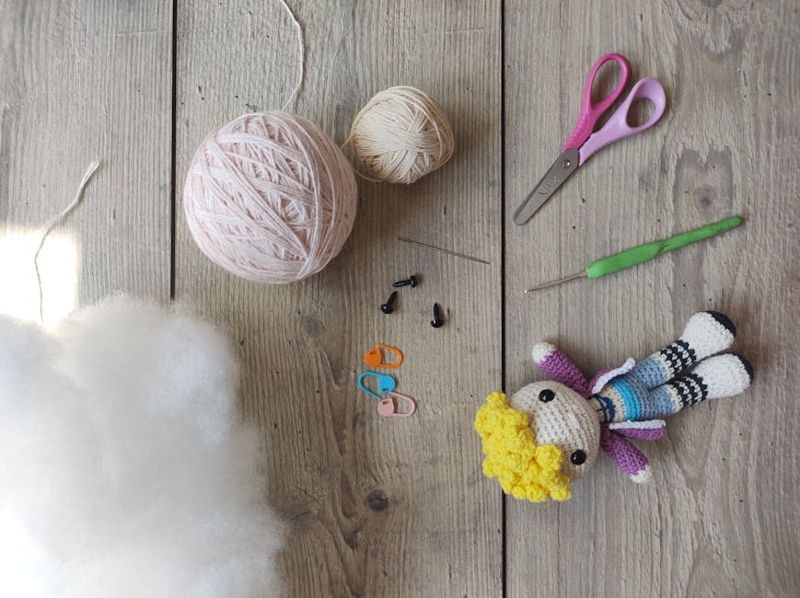
Crochet hooks come in various materials, including aluminum, plastic, bamboo, and wood, each with its unique characteristics and benefits. The choice of hook material depends on personal preference and the type of yarn being used. For instance, a wooden hook is ideal for beginners, as it provides a good grip and is gentle on the hands. On the other hand, aluminum hooks are perfect for experienced crafters, as they are lightweight and allow for quick stitching.
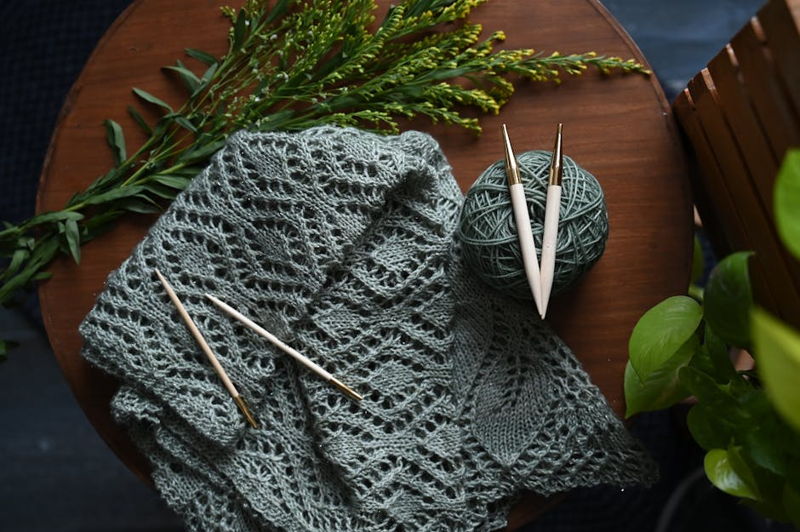
Knitting needles, on the other hand, come in various types, including straight, circular knitting needles, and double-pointed needles. Straight needles are suitable for knitting flat pieces, such as scarves and blankets, while circular needles are perfect for knitting in the round, like hats and sweaters. Double-pointed needles are ideal for knitting small pieces, like socks and cuffs. The key to mastering knitting needles is to understand the different types and how to use them effectively. I often ask myself, what’s the best way to choose the right needle for a particular project? The answer lies in understanding the technique and the type of yarn being used.
As I explored the world of crochet and knitting, I discovered that the right tool can make all the difference in the quality of the final product. The smooth surface of metal tools, for instance, allows for quick stitching, while the grip of wooden tools prevents stitches from slipping off. The flexibility of plastic tools, on the other hand, makes them ideal for delicate projects, especially when using double pointed needles. My trick for choosing the right tool is to consider the type of yarn, the desired texture, and the level of complexity of the project. By doing so, you can ensure that your final product is not only beautiful but also durable and long-lasting.
Making the Right Choice for Your Project
So, how do you choose the right tool for your project?
The answer lies in understanding the type of yarn, the desired texture, and the level of complexity of the project. For instance, if you’re working with a delicate yarn, a wooden or plastic hook may be the best choice, as it provides a gentle grip and prevents splitting. On the other hand, if you’re working with a thick yarn, a metal hook or needle may be more suitable, as it allows for quick stitching and provides a smooth surface.
The key to making the right choice is to experiment with different tools and techniques to find what works best for you. Don’t be afraid to try out different materials, sizes, and types of hooks and needles to see what suits your project. I often find myself wondering, what if I try a different tool or technique? The answer lies in experimentation and practice. My advice is to start with a simple project and gradually move on to more complex ones, experimenting with different tools and techniques along the way.
As you master the art of crochet and knitting, you’ll discover that the right tool can make all the difference in the quality of the final product. Whether you’re a beginner or an experienced crafter, understanding the different types of crochet hooks and knitting needles is essential to creating beautiful and durable projects, such as those made with tunisian crochet. My takeaway is that with practice, patience, and the right tools, you can unlock a world of creative possibilities and create anything from cozy blankets to intricate lace shawls.