
Introduction to Choosing the Right Yarn Fiber for Your Crochet Project
What if choosing the right yarn fiber for your crochet project could elevate the entire aesthetic of your handmade item? We often underestimate the impact of yarn fiber on the final product’s quality and usability. With the vast array of yarn fibers available, selecting the right one can be overwhelming. In this article, we’ll explore the key areas to consider when choosing a yarn fiber, from understanding different types of yarn fibers to matching the right fiber to your project’s purpose.
By the end of this guide, you’ll be equipped with the knowledge to make informed decisions about yarn fibers, ensuring your crochet projects turn out as desired. Whether you’re a beginner or an experienced crafter, understanding the importance of yarn fiber choice will take your projects to the next level.
Why Yarn Fiber Choice Matters
Impact on Finished Project
The yarn fiber you choose can drastically change the appearance of your crochet project, affecting its texture, drape, and color intensity. For instance, a natural fiber like wool can add a rustic touch, while a synthetic fiber like acrylic can provide a softer, more uniform texture. According to expert crafters, the right yarn fiber can make or break the overall look and feel of a project.
A statistic from the Craft Yarn Council highlights the importance of yarn fiber choice, stating that over 70% of crocheters consider the type of yarn fiber when selecting a pattern. This emphasis on yarn fiber choice underscores its significance in achieving the desired outcome.
Effects on Durability and Comfort
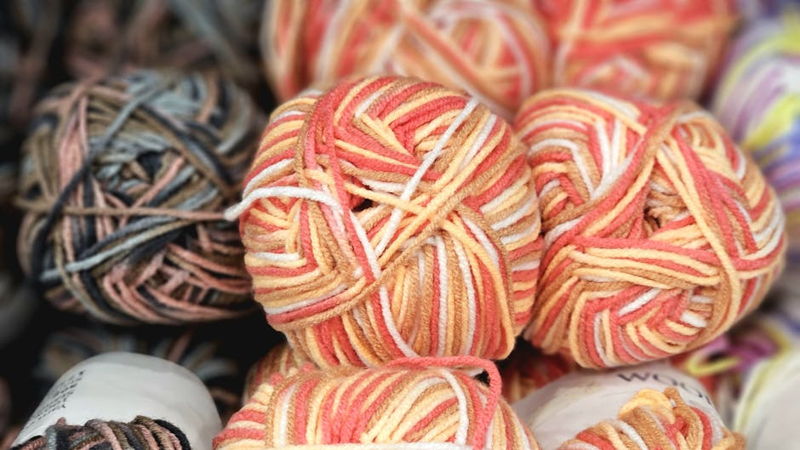
The yarn fiber you choose also affects the durability and comfort of your finished crochet project. Fibers like cotton and bamboo are known for their strength and softness, making them ideal for garments and home decor items that require both. On the other hand, fibers like wool and alpaca can be itchy or scratchy if not chosen carefully.
We’ve all heard stories of crafters who learned the hard way about the importance of choosing the right yarn for comfort. For example, a crafter who made a beautiful garment with a scratchy yarn might have regretted their choice after wearing it. The long-term implications of choosing a yarn fiber that prioritizes durability over comfort, or vice versa, can be significant.
Understanding Yarn Fiber Types
Natural vs Synthetic Fibers
Yarn fibers can be broadly categorized into natural and synthetic fibers. Natural fibers, such as wool, cotton, and silk, are derived from plants and animals, while synthetic fibers, like acrylic and nylon, are man-made. Each category has its unique characteristics, benefits, and drawbacks.
For instance, natural fibers are often more breathable and have better insulation properties, but can be more expensive and require more care. Synthetic fibers, on the other hand, are generally more durable and easy to care for, but may lack the natural warmth and texture of natural fibers.
Blended Yarn Options
Blended yarns, which combine different fibers, can create unique properties that cater to specific needs. For example, an acrylic-wool blend can provide the warmth of wool with the durability of acrylic. These blends can be ideal for projects that require a balance of properties, such as garments that need to be both warm and easy to care for.
Popular blended yarns include acrylic-nylon blends for outdoor gear and acrylic-polyester blends for home decor items. When working with blended yarns, it’s essential to consider the characteristics of each fiber and how they will interact with each other.
Choosing the Right Yarn Fiber for Your Crochet Project
Assessing Project Purpose
To choose the right yarn fiber, you need to assess the purpose of your project. Consider factors like intended use, desired texture, and personal preference. Ask yourself questions like: Will the project be used frequently? Does it need to be soft and cozy or durable and long-lasting?
By answering these questions, you can narrow down your yarn fiber options and make an informed decision. For instance, if you’re making a summer garment, you might prefer a lightweight, breathable fiber like cotton or linen.
Matching Fiber to Use Case
Once you’ve assessed your project’s purpose, you can match the yarn fiber to the specific use case. For example, cotton is ideal for summer garments, while wool is better suited for winter hats and scarves.
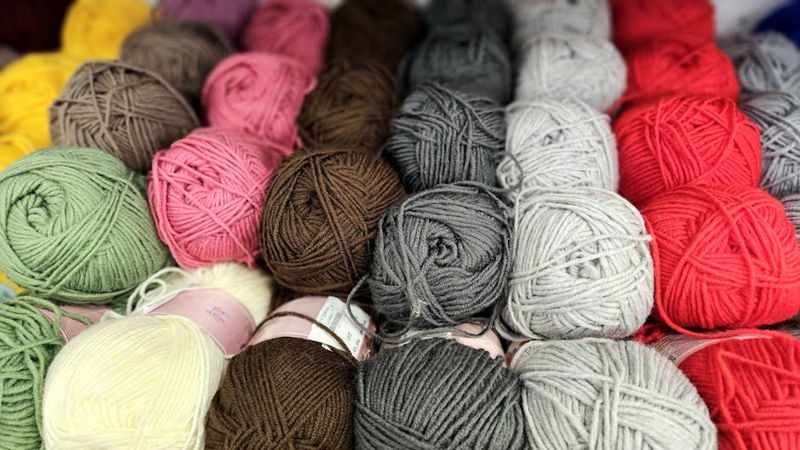
A table or graphic illustrating common projects and their recommended yarn fibers can be a helpful resource. Consider factors like season, activity level, and personal style when making your decision.
Cotton Yarn: Pros and Cons
Best Uses for Cotton
Cotton yarn is a popular choice for home decor items, summer clothing, and accessories that require a natural, breathable fiber. It’s also a great option for beginners, as it’s easy to work with and forgiving.
Cotton’s strengths include its ease of care and durability. However, it can be prone to shrinkage and may not be the best choice for projects that require a lot of stretch or flexibility.
Handling and Care
To get the most out of your cotton yarn, it’s essential to handle and care for it properly. This includes washing it in cold water, drying it flat, and avoiding aggressive detergents.
By following these care instructions, you can ensure your cotton yarn projects remain soft, durable, and long-lasting. Additionally, consider the environmental impact of your yarn choices and opt for sustainable options whenever possible.
Wool Yarn: Pros and Cons
Warmth and Elasticity
Wool yarn is renowned for its warmth, elasticity, and ability to hold shape. It’s an excellent choice for garments that require a natural, breathable fiber, such as hats, scarves, and sweaters.
Wool’s unique properties make it an ideal choice for projects that need to be both warm and durable. However, it can be itchy or scratchy if not chosen carefully, and may require special care to maintain its quality.
Allergy Considerations
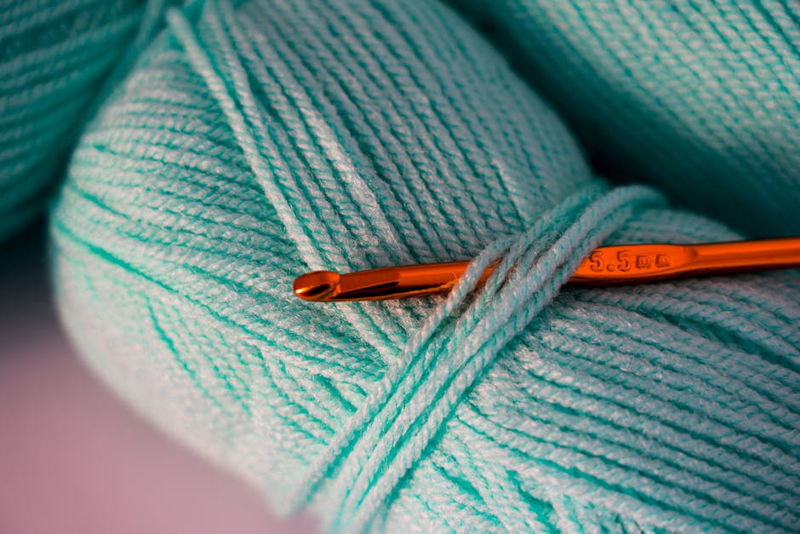
When working with wool, it’s essential to consider potential allergy concerns. Some people may be sensitive to wool, so it’s crucial to choose a yarn that’s gentle on the skin.
Superwash wool, which has been treated to remove the scales that can cause itchiness, is a great option for those with sensitive skin. Alternatively, you can opt for synthetic or plant-based fibers that mimic the warmth and texture of wool without the allergens.
Acrylic and Synthetic Yarns
Budget-Friendly Choices
Acrylic and synthetic yarns are budget-friendly options that offer a wide range of colors and textures. They’re often used for amigurumi toys, afghans, and other home decor items that require a soft, durable fiber.
Advances in synthetic yarn technology have made these fibers more desirable, with many now offering a softness and drape comparable to natural fibers. However, they may lack the natural warmth and breathability of wool or cotton.
Care and Durability
Acrylic and synthetic yarns are generally easy to care for, as they can be machine washed and dried. However, they may pill or lose their shape over time, so it’s essential to follow care instructions carefully.
By choosing the right acrylic or synthetic yarn for your project, you can create a durable, long-lasting item that’s easy to maintain. Consider the environmental impact of your yarn choices and opt for sustainable options whenever possible.
Plant-Based and Specialty Fibers
Bamboo and Linen
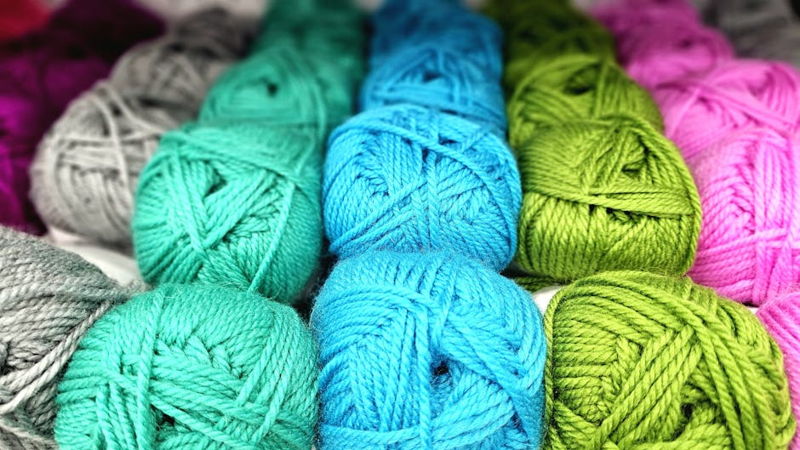
Bamboo and linen are plant-based fibers that offer unique properties and benefits. Bamboo is lightweight, breathable, and has a soft drape, making it ideal for summer garments and home decor items.
Linen, on the other hand, is a natural fiber that’s strong, durable, and absorbent. It’s often used for home decor items, such as table runners and placemats, and can add a touch of elegance to any room.
Silk and Luxury Fibers
Silk and other luxury fibers, such as cashmere and mohair, offer exceptional softness, warmth, and durability. They’re often used for high-end garments and accessories that require a touch of sophistication.
Working with luxury fibers requires special care and attention, as they can be delicate and prone to pilling. However, the end result is well worth the effort, as these fibers can add a level of elegance and refinement to any project.
Matching Yarn Fiber to Project Types
Wearables and Garments
When it comes to wearables and garments, the right yarn fiber can make all the difference. Consider factors like season, activity level, and desired comfort when choosing a yarn fiber.
A table or chart matching common garment types with recommended yarn fibers can be a helpful resource. For example, cotton or linen might be suitable for summer garments, while wool or acrylic might be better suited for winter wear.
Home Décor Items
For home decor items, the right yarn fiber can add a touch of elegance and sophistication. Consider factors like durability, ease of care, and aesthetic appeal when choosing a yarn fiber.
Projects like macrame wall hangings or woven baskets can benefit from a sturdy, durable fiber like cotton or linen. On the other hand, a soft, plush fiber like acrylic or wool might be better suited for items like throw blankets or pillow covers.
Yarn Weight and Fiber: The Relationship
How Weight Affects Fiber Choice
Yarn weight is a critical factor in choosing the ideal yarn for a project. The weight of the yarn affects the drape, texture, and warmth of the finished product, so it’s essential to choose a yarn that’s suitable for the project’s purpose.
For example, a lightweight yarn might be better suited for a summer garment, while a heavier yarn might be more suitable for a winter hat or scarf. By considering the yarn weight and fiber, you can create a project that’s both functional and visually appealing.
Balancing Texture and Structure
When choosing a yarn fiber, it’s essential to balance texture and structure. Consider factors like stitch pattern, hook size, and yarn weight to achieve the right balance for your project.
A yarn with a smooth, consistent texture might be better suited for a garment that requires drape, while a yarn with a more textured, chunky texture might be better suited for a project that requires structure and visual interest.
Testing and Swatching Yarn Fibers
Importance of Swatching
Swatching is a crucial step in choosing the right yarn fiber for a project. It allows you to test the yarn’s gauge, drape, and texture, ensuring that it’s suitable for the project’s purpose.
By swatching, you can avoid potential disasters, such as a garment that’s too small or too large, or a project that’s not as durable as you had hoped. It’s a simple step that can save you time and frustration in the long run.
What to Look for in a Swatch
When swatching, it’s essential to look for factors like gauge, drape, texture, and color consistency. These factors will give you an idea of how the yarn will behave in the finished project.
By analyzing your swatch, you can make informed decisions about the yarn fiber and adjust your project accordingly. For example, if the swatch is too dense or too loose, you can adjust the hook size or yarn weight to achieve the desired texture and drape.
Conclusion and Key Takeaways
In conclusion, choosing the right yarn fiber for your crochet project is a critical decision that can make or break the final product. By understanding the different types of yarn fibers, their characteristics, and their uses, you can create projects that are both functional and visually appealing.
Remember to consider factors like project purpose, yarn weight, and fiber content when making your decision. Don’t be afraid to swatch and test your yarn to ensure it’s suitable for the project. With practice and patience, you’ll become a master at choosing the perfect yarn fiber for your crochet projects.